

3-Channel Dash Cams in Australia: Front, Rear and Cabin Explained (2026)
A three-channel dash cam records the road ahead, the road behind and the inside of your car at the same time. In Australia it is the set-up rideshare and taxi drivers, fleet operators and parents of new drivers ask us about most, and it is also the one most people do not need. This guide explains what the third camera actually gives you, the trade-offs the spec sheets leave out, the audio-recording rules that apply inside a car in each state, and the three-camera kits we supply and install from Melbourne.
Jump to: What 3-channel means Who needs one Trade-offs Cabin recording and the law Our 3-channel kits Comparison Installation FAQs
Short answer. Buy a three-channel dash cam if people you do not know get into your car (rideshare, taxi, courier, work vehicle) or if the vehicle is shared and you need to see who was driving. If you are protecting a private car against other drivers, a good two-channel camera gives you sharper footage for less money, and the front and rear guide is the one to read.
Our three-camera pick for private and small-business use is the BlackVue DR770X Box Pro with the RC1-C rear and RC1-IR-C infrared cabin cameras. For fleets that need live 4G tracking and cabin video in one unit, the Jimi JC450 runs up to five cameras.
What a 3-channel dash cam actually records
A channel is one camera feed. A single-channel (1CH) dash cam records the road ahead. A two-channel (2CH) camera adds a rear camera on the back glass. A three-channel (3CH) camera adds a third lens pointed into the cabin, usually with infrared LEDs so it can see faces and seats in the dark. All three streams record at once to the same memory card, each as its own file, so after an incident you can pull up the front, rear and cabin view of the same second.
The cabin camera is the part that changes what the system is for. Front and rear cameras answer the question “what did the other driver do?”. A cabin camera answers “what happened inside my car?”: a passenger dispute, an allegation against a driver, a distracted employee, or a theft from a parked vehicle. It is evidence about people, not just traffic, which is why the law treats it differently (more on that below).
Above three channels you are into fleet territory. Systems like the Jimi JC450 take up to four add-on cameras for side, rear, cargo and driver views, and stream them over 4G to a management platform. They solve a different problem again: knowing what a whole fleet is doing right now, not just reviewing a card after the fact.
Who actually needs a cabin camera
Rideshare, taxi and courier drivers
The clearest case. Fare disputes, damage claims, assaults and false complaints are decided on evidence, and a rideshare platform will side with whoever has it. An infrared cabin camera records every trip in the dark without a light that annoys passengers.
Work vehicles and fleets
When several people drive the same ute or van, a cabin view shows who was behind the wheel, whether a phone was in hand, and whether the seatbelt was on. Paired with GPS and cloud, it turns an insurance argument into a two-minute download.
Parents of learner and P-plate drivers
Less common, but we get the call. A cabin camera records how many passengers were in the car and what was going on inside it. Tell the driver it is there; a hidden camera in a family car creates more problems than it solves.
Tradies with tools in the cab
With the camera hardwired for parking mode, an interior lens records a break-in from the inside, including a face, which a front camera pointed at the road will never give you.
Who should stick with two channels: most private drivers. If nobody outside your household rides in the car, the cabin camera adds cost, a third cable and less recording history, and gives you footage you will probably never use. Spend the difference on a sharper front and rear pair. Every BlackVue Elite and DR970X, and every FineVu GX, is a two-channel system, and they are what we recommend for private cars in the 2026 recommendations.
The trade-offs the spec sheets leave out
- Less recording history on the same card. Three streams share one microSD card, so the loop overwrites sooner than a two-channel camera with the same card. Fit the largest card the camera supports and read our recording time and storage guide before you choose a size.
- More heat and more processing. Encoding three video streams in a car parked in the Australian sun is hard work. Choose a camera rated for our conditions (the DR770X Box Pro is rated to 80°C) and avoid budget three-lens units that overheat and stop recording exactly when you need them.
- Cabin footage is not road footage. Interior cameras are wide-angle and lower resolution than the front camera. At night they record in infrared, which means black and white. That is fine for showing what happened in the cabin; do not expect it to read a number plate through the side window.
- Three cables, not two. A cabin camera needs its own run to the recorder, and on a box-style system the recorder itself is hidden under the dash or in the glovebox. It is a longer install, which is one reason we do it onsite in Melbourne rather than leaving you to it.
- Audio and privacy rules. Recording the inside of a car with passengers in it is regulated state by state. See the next section, because it decides whether you leave audio on.
Recording inside the cabin: what Australian drivers need to know
Video from a dash cam mounted in your own car, including the cabin, is generally lawful in Australia. Audio is the part that catches people out. Every state and territory has surveillance or listening device legislation that restricts recording a private conversation, and a conversation between a driver and a passenger inside a car can meet that definition. The rules are not the same everywhere:
| Where | Audio recording of a private conversation you are part of | Legislation |
|---|---|---|
| Victoria, Queensland, Northern Territory | A party to the conversation may record it. Sharing or publishing the recording is separately restricted. | Surveillance Devices Act 1999 (Vic); Invasion of Privacy Act 1971 (Qld); Surveillance Devices Act 2007 (NT) |
| New South Wales, Tasmania, ACT | Recording is restricted even for a party to the conversation, with narrow exceptions such as protecting your lawful interests. Treat consent or a clear notice as the safe default. | Surveillance Devices Act 2007 (NSW); Listening Devices Act 1991 (Tas); Listening Devices Act 1992 (ACT) |
| Western Australia, South Australia | The strictest. Recording a private conversation generally needs the consent of everyone in it, or a lawful-interests justification. | Surveillance Devices Act 1998 (WA); Surveillance Devices Act 2016 (SA) |
This is general information for Australian drivers, not legal advice. The Acts have exceptions and definitions that matter, and rideshare platforms and employers have their own recording policies on top of the law. If you record passengers or employees for a living, get advice for your state.
The practical approach we recommend in every state
- Put a visible “dash cam recording” notice where passengers see it before they sit down. A notice is the simplest way to show people knew they were being recorded.
- Tell passengers, especially rideshare passengers, that the car is fitted with a camera. Rideshare platforms generally allow cameras but expect drivers to follow local law and disclose recording where required.
- If you are in NSW, WA, SA, Tasmania or the ACT and do not want to manage consent, turn audio off and keep video. The BlackVue app has an audio recording switch, and we can configure the Jimi units for you before they ship.
- Never share cabin footage of a passenger publicly. Hand it to the platform, your insurer or police.
Dash Cam Recording Sticker
A clear, weatherproof notice for the rear side windows. $8, and it ships free with any camera.
The 3-channel kits we supply in Australia
We do not stock the cheap three-lens all-in-one cameras sold on marketplaces: cramming three sensors into one windscreen unit is the design most prone to overheating in an Australian summer, and the cabin footage they produce is rarely usable. The three systems below are the ones we sell, install and support. Prices shown are live from our store.
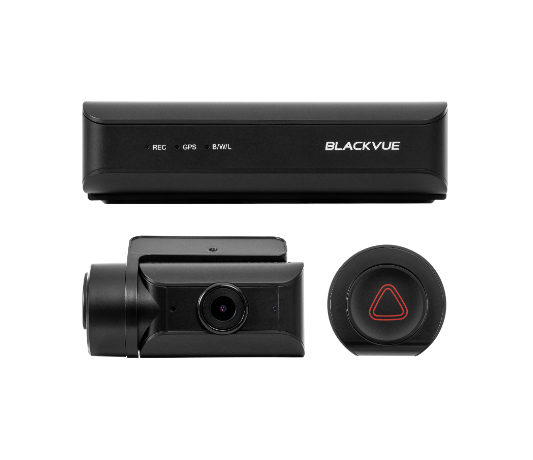
BlackVue DR770X Box Pro (3-camera build)
Hidden, tamper-proof recorder with a Full HD 60fps front camera. Add the RC1-C rear and RC1-IR-C infrared cabin camera for three channels.
- ✓Recorder locks away with a key: nobody can pull the card
- ✓Sony STARVIS front sensor, rated to 80°C
- ✓Native parking mode, hardwire cable and 64GB card in the box
- ✓Wi-Fi, Bluetooth, GPS, wireless SOS button; BlackVue Cloud with the optional LTE module
- ✓3-year BlackVue Australian warranty
+ RC1-C rear camera $155 + RC1-IR-C infrared cabin camera $175
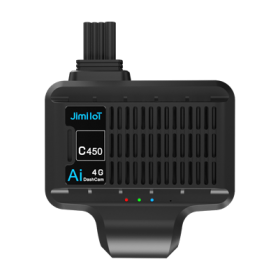
Jimi JC450 Multichannel 4G
A 4G fleet recorder with a Full HD front camera and room for four more: driver-facing infrared, rear, side or cargo.
- ✓Built-in 4G modem, Wi-Fi and GPS; live tracking and alerts on the Tracksolid Pro platform (no platform subscription, bring your own SIM)
- ✓Optional driver monitoring (DMS) that flags phone use and fatigue
- ✓Two card slots, up to 2 x 256GB, for multi-camera recording history
- ✓Hardwire cable included; 12-month warranty
Add-on cameras and DMS are configured to your fleet; call us for a build and pricing.
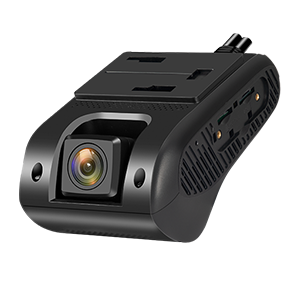
Jimi JC261P-2CH 4G In-Cabin
Two channels, but the second one points inside: a Full HD road camera and an infrared cabin camera in one unit, with 4G live viewing.
- ✓The rideshare and taxi answer when you want cabin video without a rear camera
- ✓4G, Wi-Fi and GPS built in; live tracking and alerts, no platform subscription
- ✓Tamper-proof card lock, up to 256GB, hardwire cable included
- ✓12-month warranty
How to build the BlackVue three-camera kit
The DR770X Box Pro is sold as a recorder with the front camera, and you add the cameras you need. For a full three-channel system, add the RC1-C rear camera and the RC1-IR-C infrared cabin camera; both are Full HD and come with a 6m coaxial cable. For a rideshare-style front and cabin set-up, add only the RC1-IR-C. If you want live viewing, GPS tracking and event push notifications on your phone, add the CM100GLTE LTE module and the recorder joins BlackVue Cloud. The whole kit lives out of sight, and the key-locked cover means a passenger or a thief cannot pop the card out.
BlackVue Box Pro vs Jimi JC450 vs Jimi JC261P
| BlackVue DR770X Box Pro | Jimi JC450 | Jimi JC261P | |
|---|---|---|---|
| Channels | Up to 3 (front, rear, cabin) | Up to 5 (front + 4 add-on) | 2 (front + cabin) |
| Front camera | Full HD 60fps, Sony STARVIS | Full HD | Full HD |
| Cabin camera | RC1-IR-C, Full HD 30fps, infrared (optional) | 720p infrared driver camera (optional) | 720p infrared, built in |
| Rear camera | RC1-C, Full HD 30fps (optional) | 720p (optional) | None |
| Connectivity | Wi-Fi, Bluetooth, GPS; Cloud with optional LTE module | 4G, Wi-Fi, GPS built in | 4G, Wi-Fi, GPS built in |
| Tamper protection | Key-locked hidden recorder | Fleet platform, remote access | Locking card slot |
| Parking mode | Native, hardwire cable included | Hardwired, platform-managed | Hardwired |
| Storage | 64GB included | 2 slots, up to 2 x 256GB | Up to 256GB |
| Warranty | 3 years | 12 months | 12 months |
| Best for | Private cars, rideshare, small business wanting the best footage and a long warranty | Fleets that need live oversight of many vehicles | Rideshare and taxi drivers who want cabin video with live viewing |
| Price | $719 recorder + cameras | $749 + add-on cameras | $599 |
Specifications are from the manufacturers’ current Australian listings. Prices are live from our store and include GST.
Installing a 3-channel dash cam
A three-camera system is always hardwired. The front camera goes behind the mirror, the rear camera on the top of the back glass, and the cabin camera on the windscreen or headlining looking back. Each cable is tucked into the headlining and pillar trims down to the fuse box, and on the Box Pro the recorder itself is hidden under the dash or in the glovebox with only the small front camera visible. Hardwiring is also what gives you parking mode, so the cabin camera keeps recording when the car is locked. Our hardwire kit guide covers the fuse-box side if you plan to do it yourself.
Give yourself a solid afternoon for a DIY three-camera install, and budget for cable clips and a trim tool. If the vehicle is a work car, check with the fleet manager before anyone touches the fuse box.
In Melbourne? We come to you.
Onsite installation anywhere in Metro Melbourne with hidden wiring, hardwiring for parking mode and a full system test, backed by a 10-year installation warranty. Front and rear installs are $370 for cameras bought from us; call us for a three-camera quote before you order and we will confirm your vehicle is suitable.
FAQs
What is a 3-channel dash cam?
A dash cam that records three camera feeds at once: the road ahead, the road behind and the inside of the cabin. Each feed is a channel and each is saved as its own video file with the same timestamp, so the front, rear and cabin view of any moment can be played side by side.
Is a 3-channel dash cam worth it for a private car?
Usually not. If nobody outside your household rides in the car, a two-channel camera gives you sharper front and rear footage for less money and more recording history on the same card. Three channels earn their keep when strangers, employees or new drivers are in the vehicle.
Is it legal to record passengers in my car in Australia?
Video recording inside your own car is generally lawful. Audio is regulated under each state’s surveillance or listening device laws. In Victoria, Queensland and the Northern Territory a party to the conversation may record it; New South Wales, Tasmania and the ACT restrict it with narrow exceptions; Western Australia and South Australia generally require everyone’s consent. A visible recording notice and, where in doubt, turning audio off is the safe approach. This is general information, not legal advice.
Do rideshare platforms allow dash cams with a cabin camera?
Rideshare platforms operating in Australia generally permit drivers to use dash cams, including interior cameras, provided drivers comply with local recording laws and disclose that recording is taking place where required. Check your platform’s current policy, and put a recording notice in the car regardless.
Does the cabin camera work at night?
Yes, if it has infrared. The BlackVue RC1-IR-C, the Jimi JC261P and the Jimi driver-facing camera all use infrared LEDs to record the cabin in complete darkness. The night image is black and white, which is normal for infrared and fine for showing what happened inside the car.
How much recording time do I lose with three cameras?
Three streams share one card, so the loop overwrites sooner than a two-channel camera with the same card. Fit the largest card the camera supports. The Box Pro ships with 64GB; the Jimi JC450 has two slots and takes up to 2 x 256GB. Our storage guide explains how loop recording and event files work.
Can I add the cabin camera later?
On the BlackVue DR770X Box Pro, yes. Buy the recorder with the front camera now and add the RC1-C rear and RC1-IR-C cabin cameras whenever you need them; they plug into the recorder with a coaxial cable. The Jimi JC450 is designed the same way, with up to four add-on cameras.
Do you install 3-channel dash cams in Melbourne?
Yes. We install onsite across Metro Melbourne for cameras purchased from us. Two-channel installs are $370; three-camera installs are quoted once we know the vehicle and the camera. Call (03) 9350 2605 or use the contact page.
Not sure whether you need the third camera?
Tell us what the car is used for and we will tell you what to buy, including when the answer is a two-channel camera. Melbourne-based, and we have installed every system on this page.
Legislation referenced: Surveillance Devices Act 1999 (Vic), Invasion of Privacy Act 1971 (Qld), Surveillance Devices Act 2007 (NT), Surveillance Devices Act 2007 (NSW), Listening Devices Act 1991 (Tas), Listening Devices Act 1992 (ACT), Surveillance Devices Act 1998 (WA), Surveillance Devices Act 2016 (SA). Updated September 2026.